
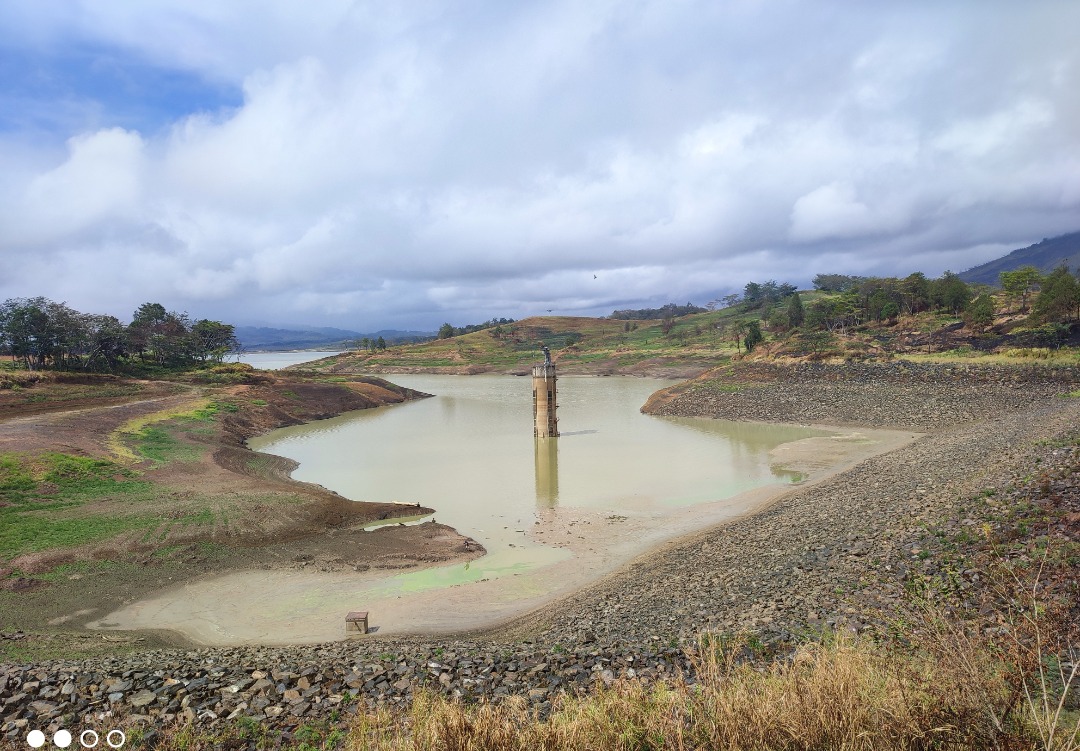
Yonki Dam’s water storage has dropped to 35.46 per cent of its full capacity as of October 20, 2026, raising serious concerns over electricity generation as prolonged dry weather continues to affect the Ramu power grid.
PNG Power Limited reported that reduced water inflows into the Eastern Highlands Province reservoir have significantly reduced hydroelectricity generation, directly contributing to widespread power shortages across Lae, Madang, and several Highlands centres.
PNG Power chief executive officer Paul Bayly said the utility was carefully managing water releases to preserve the remaining supply and prevent the dam from falling below its minimum safe operating level of 10 per cent.
The dam supplies water for electricity generation at both the Yonki Toe and Ramu hydro power stations, which together form a major component of the Ramu grid’s power supply.
While the overall grid requires approximately 90 megawatts during peak demand, Yonki hydro generation is currently producing only about 50MW on a normal day, creating a substantial grid-wide shortfall of approximately 40MW.
PNG Power clarified that this shortage is strictly caused by reduced generation capabilities rather than equipment failure or transmission network damage.
The impact is heavily felt in Lae, where peak electricity demand stands at about 40MW. The city is currently receiving around 25MW from available hydro and thermal generation, leaving an estimated 15MW shortfall during peak hours.
To manage the limited supply and mitigate the risk of a major blackout affecting multiple centres across the grid, the utility is relying on planned load shedding.
PNG Power stated it could not confirm when normal electricity supply would return, as recovery depends largely on rainfall in the Yonki Dam catchment area.
Based on National Weather Service forecasts, load shedding is expected to continue for the remainder of 2026 and into the next wet season, which is predicted to begin in the second quarter of 2027.
To support the electricity supply during this extended dry period, the company is assessing temporary generation options.
Longer-term infrastructure plans include additional solar and hydro projects, gas-fired turbines, and the proposed Munum Power Station.
PNG Power has apologised to customers affected by the interruptions and urged them to follow its published load-shedding schedules, emphasizing that maintaining water levels at Yonki Dam remains critical to sustaining baseline electricity generation while the region awaits improved rainfall.