

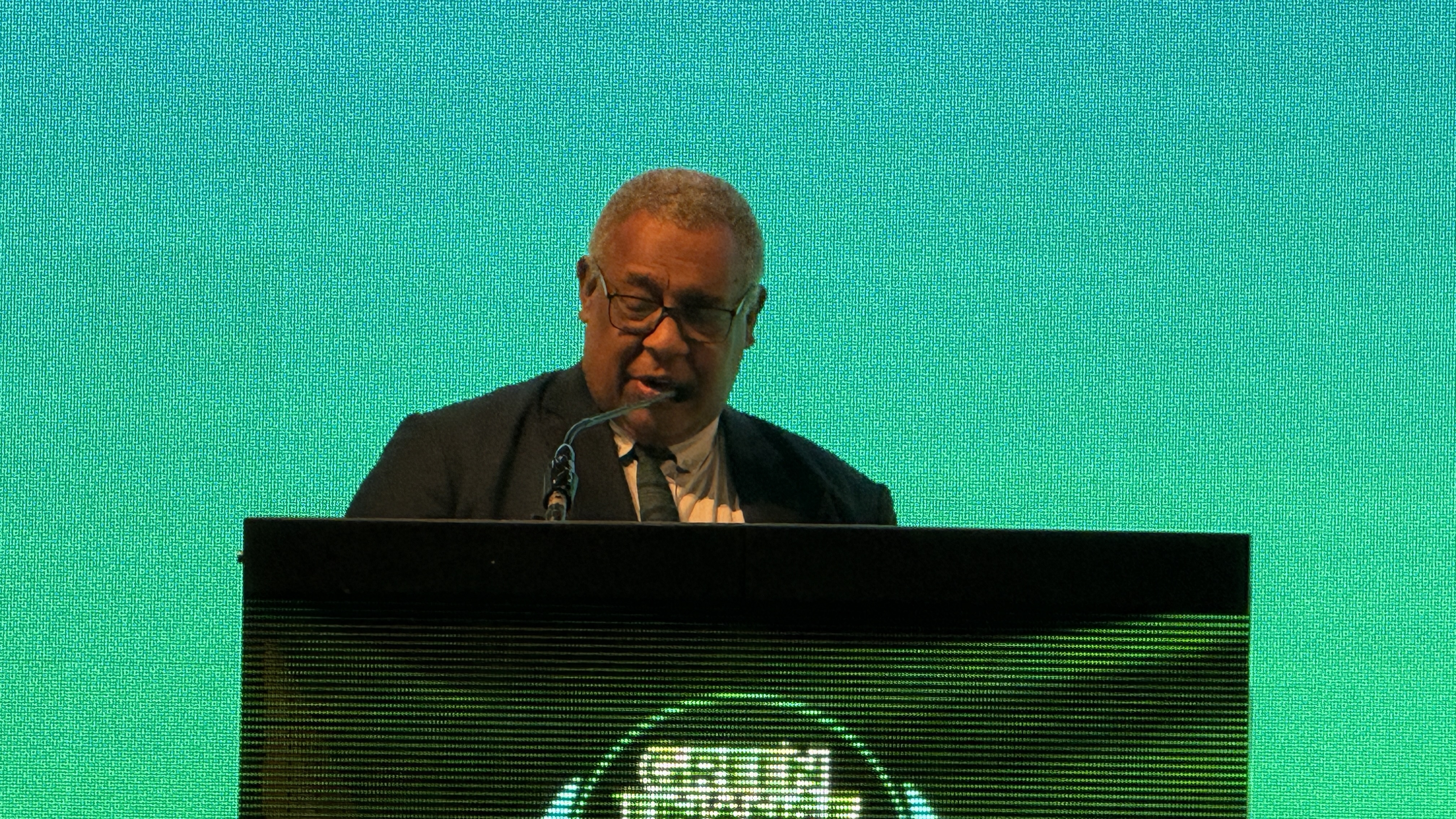
Papua New Guinea is officially transitioning from green finance policy discussions into practical, on-the-ground implementation, according to Chief Secretary to Government Ivan Pomaleu.
Speaking at the opening of the 2nd Green Finance Summit at the Hilton Hotel in Port Moresby on May 27, Pomaleu emphasized that the country is aggressively strengthening its climate-resilient and sustainable development agenda.
“Climate change is no longer a future challenge, it is already impacting our economies, our communities, our agriculture system, our coastlines and our livelihoods,” Pomaleu said.
“As a small island developing state, Papua New Guinea understands these challenges very deeply.”
Pomaleu said PNG also recognizes climate action as an opportunity to build a stronger and more inclusive economy.
“At the same time we also recognize that climate action presents an opportunity, an opportunity to build a stronger, more resilient and more inclusive economy for our people.”
He said the government remains committed to ensuring climate resilience, economic growth and sustainable development work together.
In addition, he highlighted the progress made since the launch of PNG’s Inclusive Green Finance Policy in 2023 and the establishment of the Green Finance Centre in 2024.
According to Pomaleu, the country is now seeing major progress in operationalizing green finance reforms through the Bank of Papua New Guinea and the Green Finance Centre.
He said initiatives such as the Inclusive Green Finance Taxonomy Version 2.0, National Centralized Climate Investment Database, Environmental and Social Risk Management Guidelines, Green Asset Classification Reporting Standards and the Green Finance Academy, demonstrate that PNG is moving towards practical implementation at a fast pace.
“These reforms are critical because sustainable finance is not simply about climate discussions.”
“It is about jobs, it is about agriculture, it is about energy access, it is about infrastructure, it is about financial inclusion, and most importantly, it is about improving the lives of Papua New Guineans.”
Pomaleu also stressed the importance of attracting sustainable international investment into PNG, saying the country can no longer rely entirely on public funding to meet its development goals.
“We must also mobilize private capital into renewable energy, sustainable agriculture, clean transport, resilient infrastructure and green SMEs.”
Furthermore, he commended commercial banks, superannuation funds, development partners and private sector organizations already integrating sustainable finance and climate considerations into lending and investment decisions.
He also acknowledged support from international partners including the International Monetary Fund, World Bank, Asian Development Bank and the Alliance for Financial Inclusion for supporting PNG’s sustainable finance reforms.
Pomaleu concluded that the summit also reflects PNG’s growing regional leadership in inclusive green finance and sustainable financial sector reforms across the Pacific.