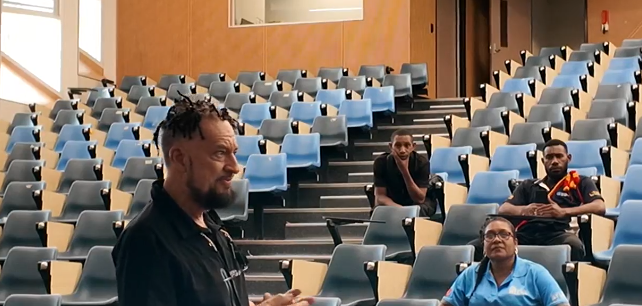


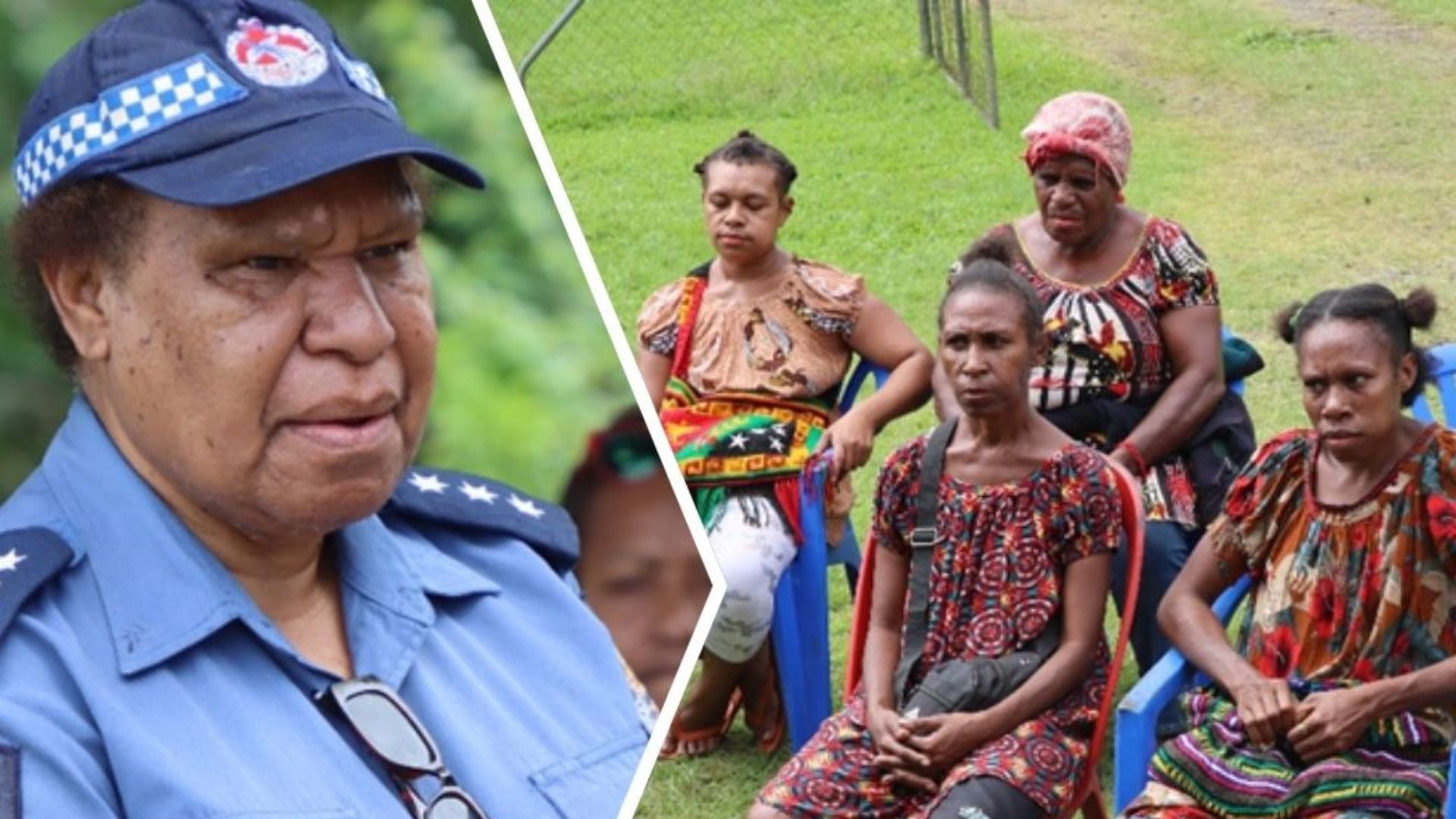
The Welfare Section under the Human Resource Division of the Royal Papua New Guinea Constabulary (RPNGC) has expanded its Welfare Awareness Program to Central and Gulf Provinces, targeting spouses and children of police officers, as well as members living with chronic illnesses.
The initiative follows earlier sessions conducted in police barracks within the National Capital District, where internal assessments identified gaps in family awareness of available welfare services.
The program is the first of its kind to be extended beyond Port Moresby, reflecting the Constabulary’s focus on strengthening support systems for police families.
Police Welfare Officer-in-Charge, Inspector Susan Rumints, said the program was introduced following recurring issues involving entitlement claims.
“One of the common issues is when policemen’s wives come forward after their husbands pass on to claim entitlements, only to discover they were not registered as the legal spouse,” she said.
Inspector Rumints said the program is designed to help families better understand welfare entitlements, legal processes, and support systems available to them.
The awareness sessions also align with national and organizational frameworks, including Vision 2050, the RPNGC Corporate Plan, and internal welfare and personnel risk management strategies.
Key areas covered include welfare services, entitlement management, family protection laws, domestic violence awareness, marriage and maintenance laws, financial literacy, spiritual guidance, health and wellness, legal administration, and human resource compliance.
The program commenced on Friday, May 22, 2026, beginning at Moreguina Police Station in the Cloudy Bay Local Level Government area of Abau District, before continuing to Kupiano and Upulima Police Stations.
The team has since visited Kwikila and is scheduled to continue outreach at Sogeri later this week.
Inspector Rumints thanked the RPNGC management for supporting the initiative, saying it is expected to improve awareness among police families regarding their welfare rights and responsibilities.
Inspector Rumints said, “It is anticipated that after this program, spouses will know where they stand in terms of welfare and can take the necessary steps to resolve issues, The Welfare Office is here to guide them through.”