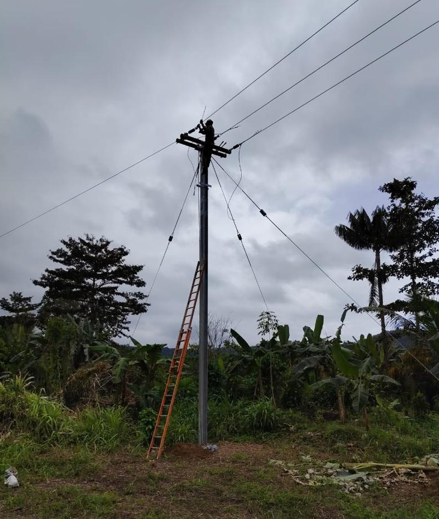


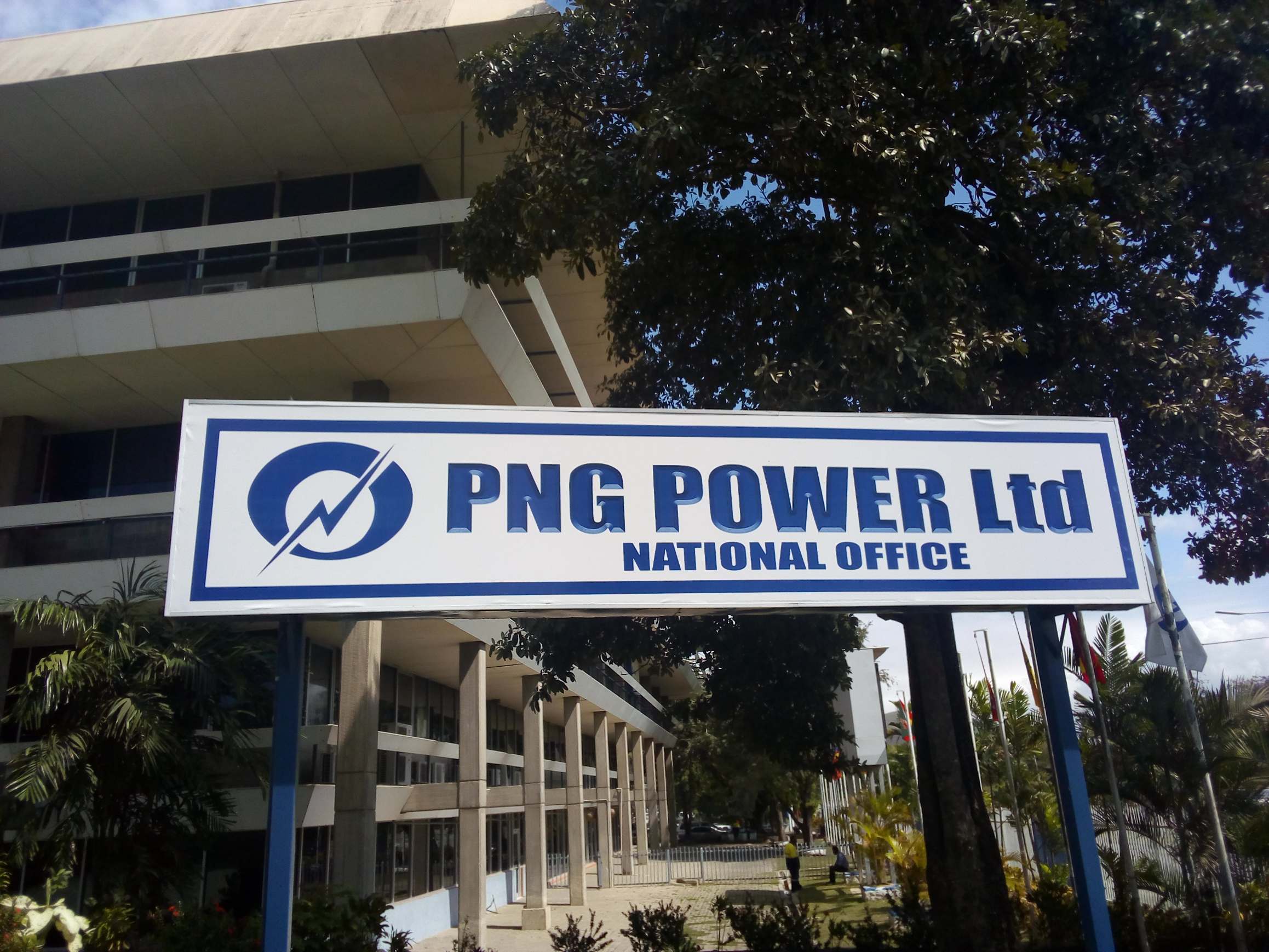
PNG Power is stepping up efforts to reduce electricity theft and technical losses, with smart meters and improved monitoring systems being introduced to detect tampering and identify faults across the national power grid.
PNG Power Chairman Mal Lewis said electricity losses are currently around 12 percent, with the figure made up of both power theft and technical losses.
Lewis said theft includes illegal connections, tapping into power lines before meters and tampering with electricity meters, involving both individuals and businesses.
He said the utility recently identified a company that had accumulated a debt of almost K30 million through electricity theft, but existing laws limited the amount PNG Power could recover.
Lewis said the laws need to be reviewed to ensure those who steal electricity are held accountable, and the utility can recover losses incurred over longer periods.
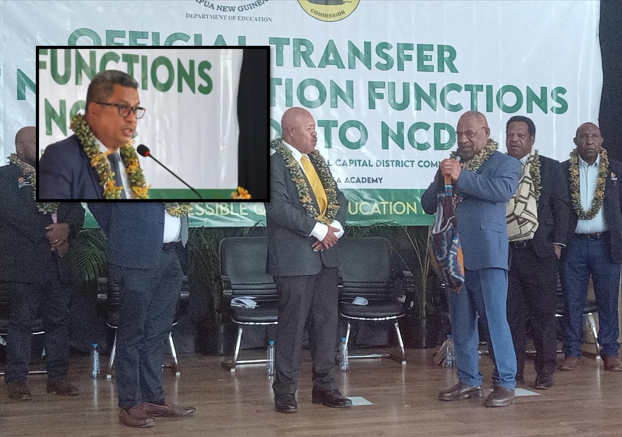
Meanwhile, Minister responsible for PNG Power, Richard Maru, said the company is looking at using technology to tackle electricity theft.
Maru said smart meters will allow PNG Power to electronically monitor electricity use and identify customers who attempt to tamper with their meters or manipulate their power consumption.
Lewis said smart meters are among several measures being pursued to reduce losses, alongside the use of drones to inspect power lines and identify potential equipment failures before they cause major outages.
He said PNG Power also needs to improve the management and maintenance of its assets, noting that the lifespan of electrical components can vary significantly depending on where they are sourced.
Lewis said PNG Power is looking at international examples, including Australia, New Zealand, Fiji and South Africa, to identify strategies that could help strengthen the country's electricity network.
He said there is no single quick solution to PNG Power's challenges, but a combination of better technology, asset management, staff training and appropriate investment can gradually improve the reliability and financial sustainability of the utility.