

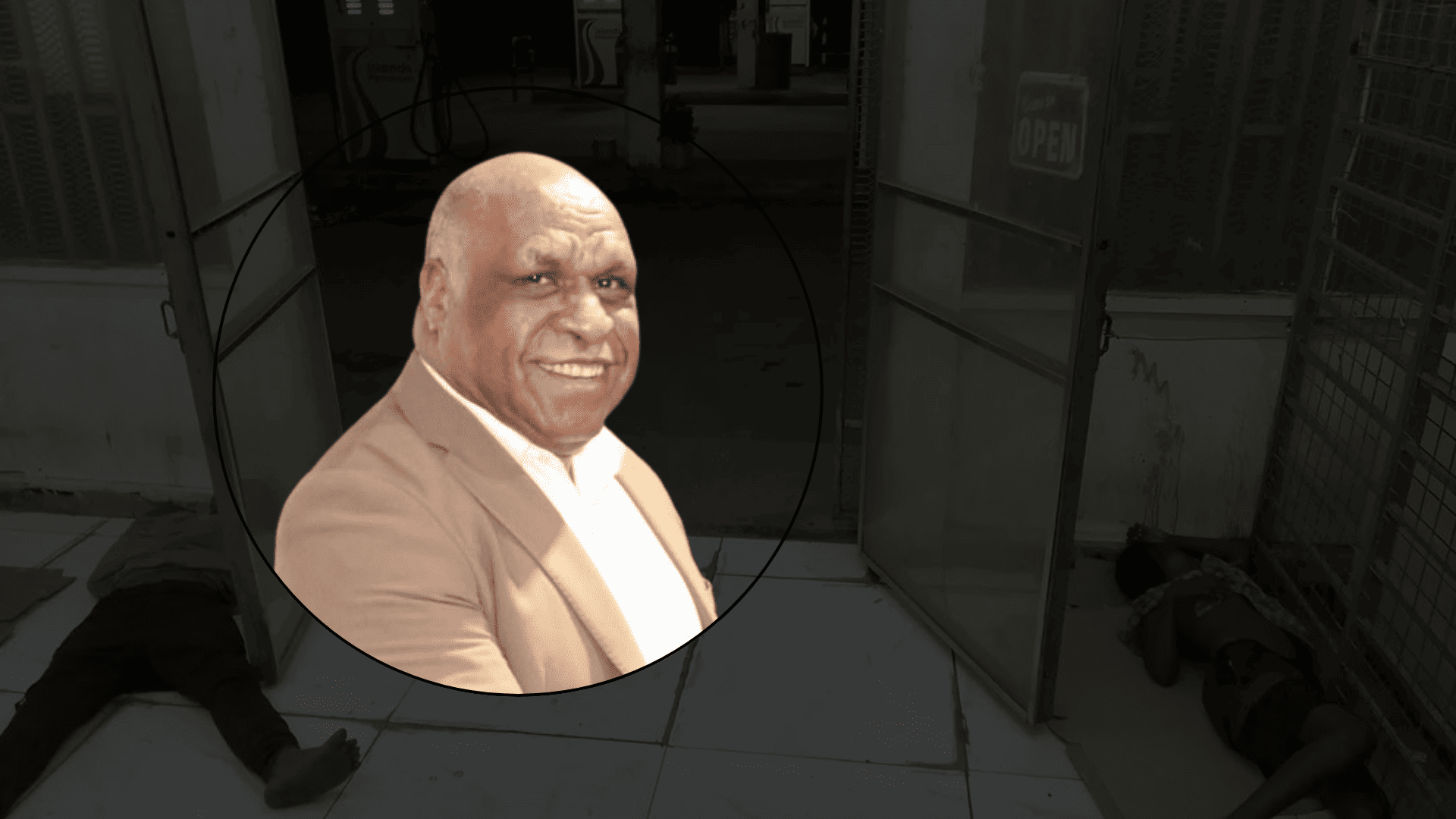
THE National Office for Child and Family Services (NOCFS), alongside its partner agencies, has officially commenced Phase 4 of the "Street Children Response Program" (SCRP) in the National Capital District (NCD).
Phase 4 of the initiative shifts the focus toward awareness, advocacy, and parental engagement. This follows the successful completion of the first three phases—identification, processing, and reintegration of street children—which were conducted across NCD and regional hubs including Mt Hagen (Highlands), Lae (Momase), and Kokopo (Islands).
While launching Phase 4, NOCFS Chief Executive Officer Mr. Jerry Wap emphasized that it is time for parents to be held accountable and responsible for allowing their children to roam the streets.
"In the parental engagement component of the program, we will locate the parents of these street children and have them sign an agreement with the NOCFS," Mr. Wap stated. "In that agreement, they will make a formal commitment to stop letting their children wander aimlessly on the streets of Port Moresby."
"Any parent who permits their children back onto the streets after signing this agreement can be penalized. This means they could face imprisonment for child neglect," Mr. Wap warned. He clarified, however, that the intent of the exercise is not to intimidate or threaten parents, but to educate them on child rights and remind them of their fundamental duties as primary caregivers.
According to Mr. Wap, the SCRP is a vital National Government initiative launched two years ago. It aims to safely remove children from street environments and reintegrate them into stable communities. This includes reenrolling them in school, placing them in Out-of-Home Care Centers, or referring them to healthcare facilities for medical treatment.
During Phases 1 to 3, approximately 235 children were identified on the streets of the country's major regional cities, processed, and successfully returned to their communities through established referral pathways.
"The issue of street children has persisted for a very long time. Our initial national research identified three distinct categories of street children in our country," Mr. Wap explained. "The first group comprises children traveling from villages and settlements to make a living on the streets. The second group consists of children who actually live on the streets full-time. The third category involves entire families living off the streets, including fathers, mothers, and their children."
"The NOCFS is providing the leadership necessary to unite all key stakeholders so we can address this crisis holistically. Looking ahead to the next 50 years, we do not want to see this issue continuing in our country," he said.
"Every child in Papua New Guinea has the right to an education, a safe home, and the care of their parents—this is the core message we want to convey to the public," Mr. Wap added. He further noted that Phase 4 of the SCRP will eventually be replicated across other major provincial centers following its initial rollout in NCD.
The NCD campaign commenced on Tuesday and will run until Saturday, covering major residential areas across the Moresby North-West, Moresby North-East, and Moresby South electorates.
Throughout the week, NOCFS officers and partner organizations will conduct awareness and advocacy campaigns on child rights at designated hotspots across the city. Following the awareness campaign, officers will identify the parents of street children, provide counseling, and formalize the care agreements.
Key stakeholders participating in the joint exercise include the National Capital District Commission (NCDC), the National Department of Education, the Port Moresby General Hospital Welfare Division, the Royal Papua New Guinea Constabulary (RPNGC), and various Out-of-Home Care Centers.