
Children affected by violence, abuse, and trauma in West New Britain Province will have greater access to safe and appropriate support following a new training initiative for local health and social service workers.
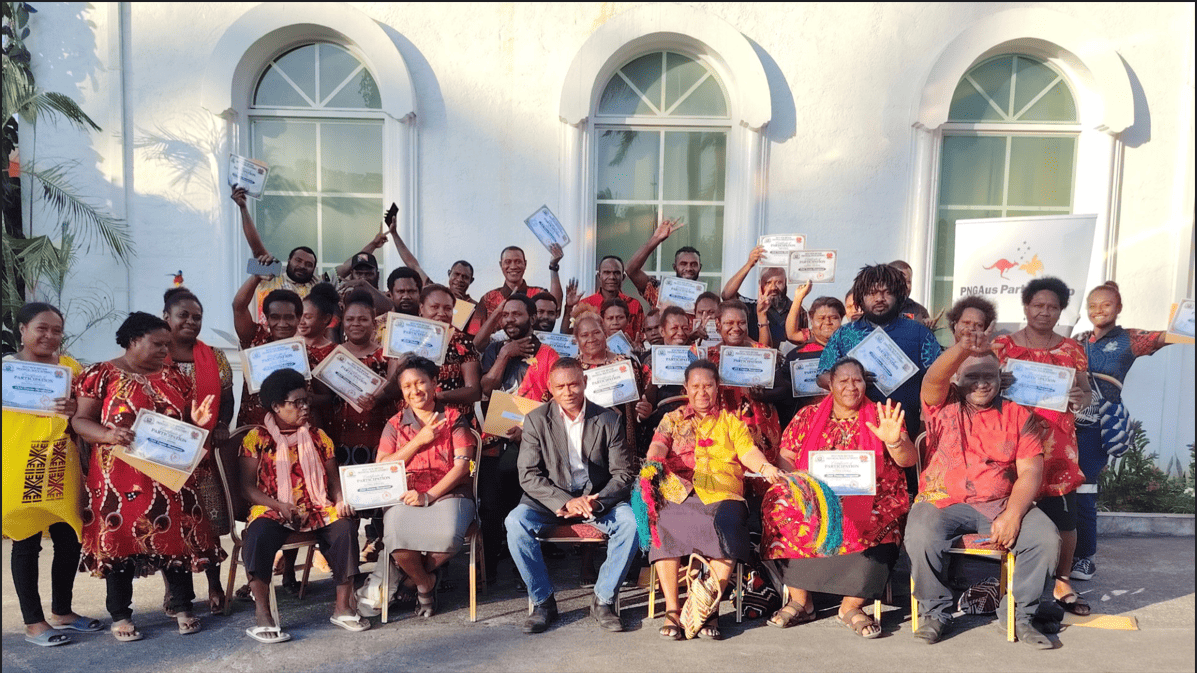
Thirty-six health and social service workers- comprising 20 women and 16 men from provincial and rural health facilities, the West New Britain Provincial Health Authority, and partner organizations across the Talasea, Nakanai, and Kandrian-Gloucester districts are now better equipped to recognize trauma, respond safely, and connect vulnerable children with necessary care.
Because violence, abuse, disasters, and other traumatic events can inflict long-term effects on children’s health, development, and wellbeing, the program provided participants with practical skills to spot and address trauma early while helping children feel secure.
West New Britain Provincial Health Authority Chief Executive Officer Dr. Joseph Nale emphasized the importance of strengthening frontline workforce capabilities.
“Children are among our most vulnerable citizens, and it is our collective responsibility to ensure they receive the care, protection, and support they need to heal and thrive.”
“This training represents an important investment in building the capacity of our frontline workforce to respond effectively to child trauma.”
Facilitator Sarah Kasa, representing the Morobe Provincial Health Authority Family Support Centre and serving as an Australia Awards alumna, highlighted the program's core mission for healthcare professionals.
“Our goal is to ensure that children receive care and support that uphold their safety, dignity, and wellbeing. Building the capacity of frontline workers is critical to achieving this.”
During the sessions, participants also explored strategies to apply and share their newly acquired knowledge within their workplaces and communities.
Elsie Kitiman, Area Health Extension Officer for Hoskins Local Level Government, noted that a major takeaway was learning how to establish safe environments for affected children to speak openly while raising broader awareness of these issues.
“Greater awareness in schools and communities can also help identify hidden cases and ensure children receive the support they need.”
“When children grow up in safe and supportive environments, they are better able to reach their full potential and contribute positively to society.”
The training was delivered through a collaborative partnership between the West New Britain Provincial Health Authority and the Morobe Provincial Health Authority Family Support Centre, with co-funding provided by Australia and the West New Britain Provincial Health Authority.