
A new multi-agency assessment is being rolled out across Papua New Guinea to establish how El Niño and its impacts are affecting communities and where assistance is most urgently required.
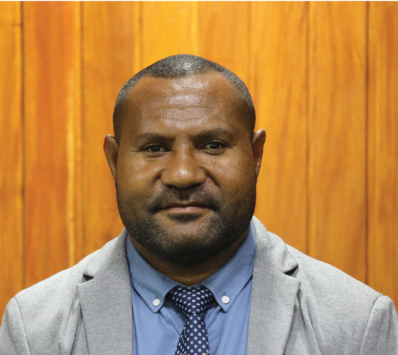
Minister for Health and National Emergency Services Dr. Billy Joseph says the assessment, led by the International Organization for Migration in partnership with the National Disaster Centre, is aimed at ensuring government responses are based on evidence gathered from affected communities.
The assessment comes as PNG continues to deal with the impacts and risks associated with El Niño, including effects on communities, livelihoods and essential services.
Dr. Joseph says the exercise will collect information across several key sectors, including water and sanitation, food security and livelihoods, health, education, shelter, displacement and protection.
“It will collect information across key sectors, including water and sanitation, food security and livelihoods, health, education, shelter, displacement and protection, so that decisions on preparedness and responses are based on evidence from affected communities across the country.”
The Minister says the assessment is particularly important because it is not simply intended to measure the current effects of El Niño.
It is also designed to strengthen the ability of provincial and district authorities to conduct assessments, analyse needs, report emerging risks, and contribute to future disaster responses.
Dr . Joseph says provincial and district authorities will have a central role in collecting data and coordinating the assessment process.
He is urging provincial administrators and disaster centres to give the rollout their full support and ensure the information collected is timely, reliable and representative of conditions on the ground.
The information will then help governments identify areas experiencing the greatest levels of need and determine where limited resources should be directed.
“The results should help governments identify priority locations that demand a scale and severity of needs and ensure that limited resources are directed to communities that require assistance the most.”
Dr. Joseph says provincial El Niño assessment reports will also provide the National Government and provinces with information that can support preparedness and response decisions.
The International Organization for Migration is being recognised for its technical support, alongside the governments of the United States, Australia and New Zealand and other development and humanitarian partners.
Dr. Joseph says IOM’s involvement demonstrates the organisation’s broader role within PNG’s disaster-management framework.
He recalled the recent Cyclone Maila response, saying IOM personnel were already present when he and the Prime Minister travelled to the area where the cyclone’s eye had remained for several days.
“When we went there, IOM was already there.”
He says the presence of IOM and other international partners during the response demonstrated the practical value of partnerships during emergencies.
However, Dr. Joseph stressed that disaster assessments must ultimately translate into action.
He says the government needs to use the evidence collected to determine where communities need greater support and where investment in disaster preparedness should be prioritised.
The El Niño assessment is therefore being positioned not only as an emergency response tool, but also as part of a longer-term effort to strengthen provincial and district disaster-management capabilities.