

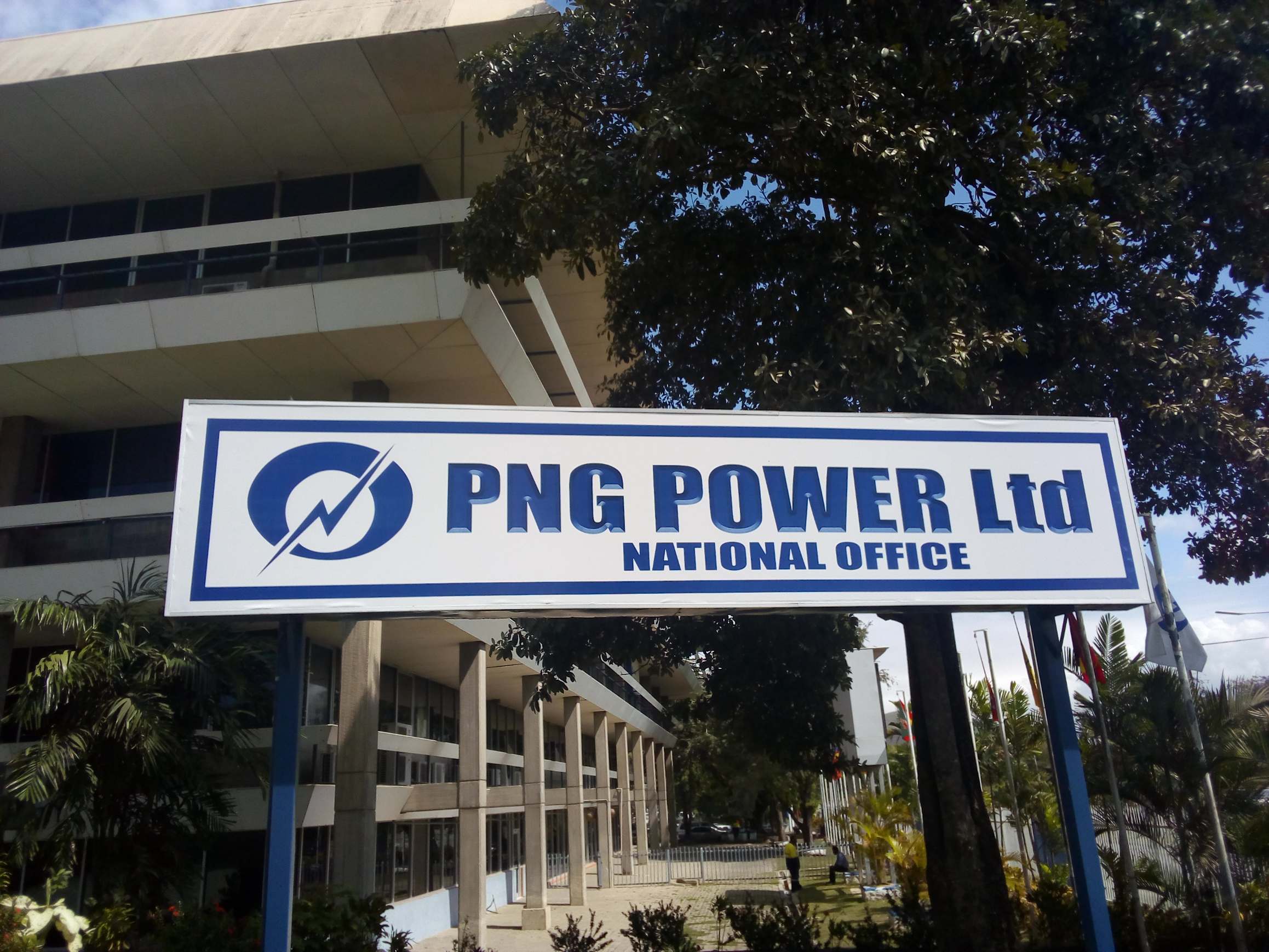
The government has set a six-month target to reduce PNG Power Limited's electricity losses and improve the reliability of power supplied to households and businesses.
Minister responsible for PNG Power, Richard Maru, says the utility currently loses about 26 percent of the electricity it generates through technical losses and electricity theft.
He wants that figure to be reduced to below 10 percent.
Maru says the high loss rate is one of the major problems affecting PNG Power's ability to provide reliable and affordable electricity.
He has challenged the company's board and management to intensify efforts to stop illegal connections, electricity theft, and technical losses.
The minister says PNG Power cannot continue operating with a quarter of its generated electricity effectively lost before it is sold.
He has also linked the company's financial difficulties to the continuing blackouts experienced in Port Moresby and other parts of the country.
Maru says PNG Power is struggling to purchase fuel and has been losing money through unpaid bills, technical losses, theft, independent power producer arrangements and loss-making service centres.
He says addressing these problems is necessary if the country is to move away from its reputation for unreliable electricity.
Maru says PNG has some of the most expensive electricity charges in the world and has described the country as the "blackout capital of the world."
He believes this must change if PNG is to grow its industrial and manufacturing sectors.
The minister points to Indonesia as an example of how access to cheaper electricity can support industrial development.
He says electricity in Indonesia can cost about five US cents per kilowatt hour, compared with about 17 US cents in Australia and at least 20 US cents in PNG.
Maru says the high cost of electricity puts PNG businesses at a disadvantage and limits the country's ability to develop downstream processing and manufacturing.
He argues that PNG has relatively low labour costs and could become a major manufacturing hub if it can provide cheaper and more reliable electricity.
Part of the government's response will involve changing how government departments pay for electricity.
Maru says government agencies will no longer be allowed to accumulate electricity debt with PNG Power.
Instead, departments will be required to use advanced metering infrastructure, allowing them to pay for electricity in advance.
The measure is designed to improve PNG Power's cash flow and prevent government agencies from becoming major creditors.
The government also intends to review the cost of electricity purchased from independent power producers.
Maru says he will sit down with IPPs to examine their agreements and identify ways of reducing the price PNG Power pays for purchased electricity.
At the generation end, the government wants the restructured PNG Power to invest in existing facilities and new sources of electricity.
Maru says Rouna and Yonki need to be upgraded and operated at maximum capacity.
He also wants PNG Power to develop more hydropower, solar, and wind projects to increase the availability of cheaper and cleaner electricity.
The minister says greater generation capacity and lower technical losses would allow more of the electricity produced to reach consumers.
He says PNG Power must also have sufficient revenue to maintain its infrastructure instead of repeatedly relying on government support.
Maru has therefore linked the reduction of power losses to the broader restructuring of the company.
He says the immediate challenge is to stop the financial and operational losses while building a power utility capable of supporting the country's economic growth.
The government wants the six-month reform program to ultimately deliver more reliable electricity, reduce the cost of power, and create the conditions for industries to expand.
Maru says reliable and affordable electricity is essential to improving the lives of Papua New Guineans and driving national economic growth.