

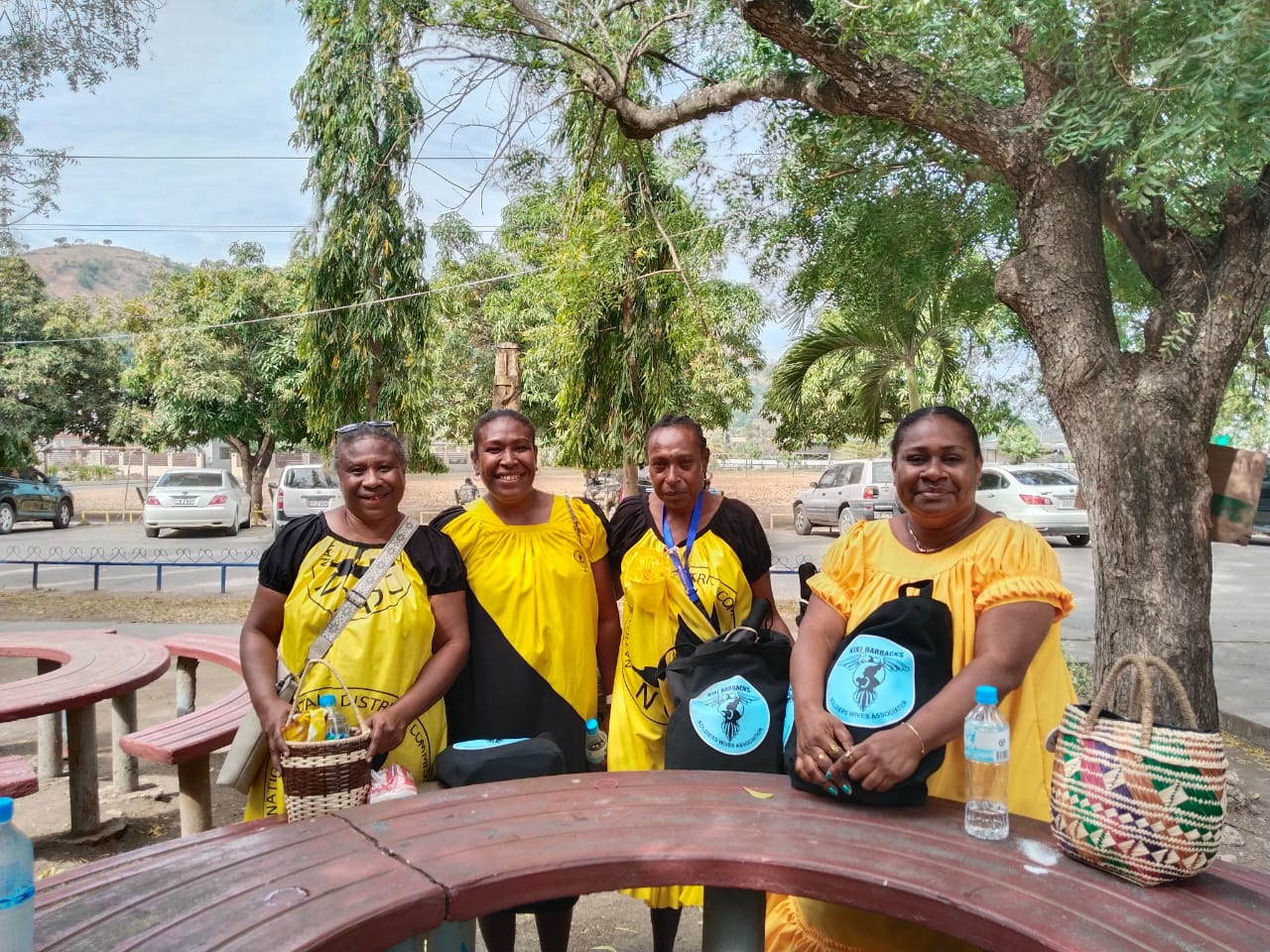
A young military wife has shared her experience navigating life in the Papua New Guinea Defence Force community, highlighting the emotional and practical challenges that come with deployments, limited housing access, and learning to adapt to military systems.
Pamela Tommy, spouse of Sergeant Tommy from Air Transport Wing (ATW) based at Kiki Barracks under the Air Transport Section, said her journey as a young wife and working mother in the military environment has been both challenging and educational.
She said one of her biggest struggles has been coping with long deployment periods, where soldiers are sent on operations for months at a time, often extending beyond expected timelines.
“When they go out for operations in the Highlands, sometimes they stay six months, even eight months or more. As a young mother, it was very difficult because I was also working and raising a child,” she said.
Pamela explained that living arrangements added further pressure, particularly when families are not housed inside the barracks. She said priority for housing is often given based on family size, which left her renting outside the military compound during her early years of marriage.
She said being outside the barracks also created challenges around communication, movement, and accessing support, especially during deployment periods.
“We had marriage certificates, but sometimes housing priority depends on number of children. At that time, I only had my first baby, so we were renting outside,” she said.
Pamela said the emotional toll of deployment was significant, particularly as a young mother with limited immediate support. Although communication with her husband was possible, she said distance and security protocols often made matters more complicated.
“Even when we talk on the phone, there are security procedures and communication channels to follow. Sometimes it felt overwhelming,” she said.
Despite these challenges, Pamela said joining a military wives’ association has helped her better understand the system and access support networks within the Defence Force community.
She said the association provides a vital platform for wives to raise concerns, seek guidance and better understand military processes, particularly around deployment and welfare matters.
Pamela also said attending conventions and engaging with other military wives has helped her grow in confidence and awareness of available support structures.
“The association is like the voice for mothers in the barracks. It helps us understand deployment issues, housing matters and how to support each other,” she said.
She encouraged young military wives to remain patient, seek help when needed and build strong support systems instead of facing challenges alone.
Pamela also shared a personal reflection on adjusting to military life, acknowledging that relationships require understanding and resilience in a demanding environment.
“My encouragement to young wives is to be strong, be patient and learn how to support each other. Military life is not easy, but we can help one another through it,” she said.
Her story reflects the wider experiences of many military families, where separation, relocation and structured systems shape daily life, but where support networks continue to play a crucial role in helping families adapt and cope.