

The Consultative Implementation and Monitoring Council (CIMC) is set to hold its first Informal Economy Sectoral Committee Meeting of 2026, marking a significant return of structured dialogue on one of Papua New Guinea’s most dominant economic sectors.
The meeting will take place this week Thursday 28 May 2026 at the Crown Hotel in Port Moresby, bringing together government agencies, civil society actors, and private sector representatives to discuss policy direction and reform priorities for the informal economy.
The session will be chaired by Department for Community Development and Religion Secretary Jerry Ubase, who said the dialogue is critical for addressing long-standing legislative and institutional gaps affecting the sector.
He said the engagement is not only about policy discussion but about shaping human development outcomes and strengthening family livelihoods.
“Engaging in this dialogue is critical; it establishes a vital precedent for the informal economy to advance human development and family well-being,” Ubase said.
He added that collaboration between stakeholders is essential to bridge development gaps and ensure the sector is properly supported under national planning frameworks, including the Reset@50 initiative and the country’s long term development roadmap.
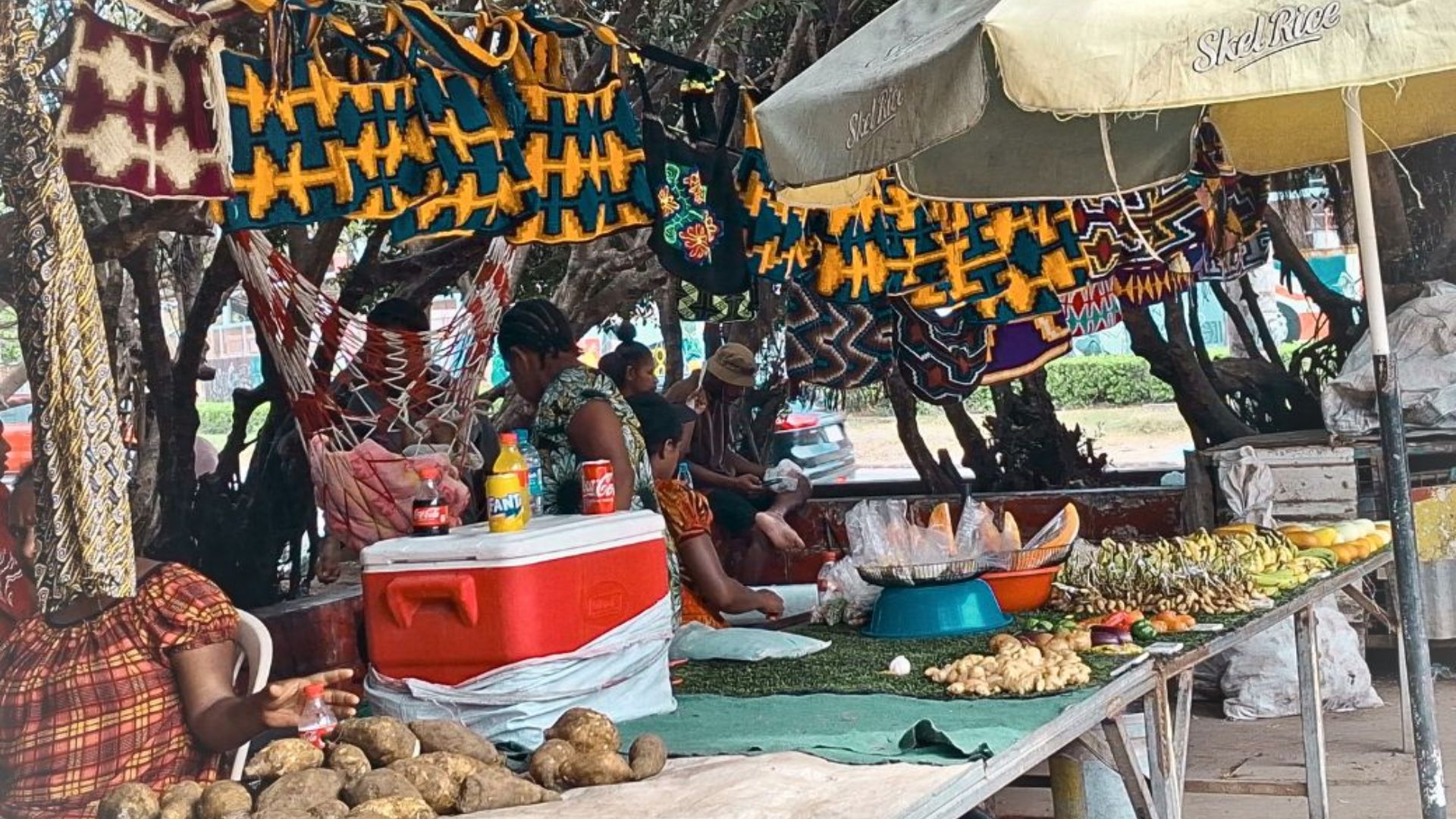
Ubase also highlighted the importance of recognizing the scale and cultural role of informal economic activity in Papua New Guinea.
“The informal economy represents the true ‘PNG Way,’ where our culture and daily livelihood seamlessly integrate into commerce, sustaining over 85% of our population,” he said.
“Instead of viewing the informal sector as a nuisance, we must regulate it effectively, foster its growth, and cultivate a conducive environment where it can thrive.” He added
The meeting will focus on key national reforms, including updates on the Revised Informal Economy Bill, the National Informal Economy Policy II, and the National SME Policy, which aim to better integrate informal workers and small businesses into the formal economy.
Among the key agenda items are updates from the Constitutional Law Reform Commission on the Informal Economy Bill, discussions on Safe Cities Market Initiatives led by the NCDC Markets Division, and the adoption of the committee’s 2026 work plan.
CIMC Executive Officer Wallis Yakam said the meeting will serve as a major platform for aligning government and stakeholders on practical reforms.
“This meeting is a pivotal platform for government, civil society, and the private sector to align on a roadmap that empowers our informal sector,” Yakam said.
“By addressing policy gaps and the bottlenecks affecting the management of the informal economic sector, we are laying the foundation for sustainable growth for thousands of PNG families.” He added
Media will be invited to attend a group photo session and follow up interviews with committee facilitators after the formal proceedings.
The dialogue is expected to play a key role in shaping how Papua New Guinea regulates and supports its informal economy, which remains a major driver of livelihoods across the country.